
Reviewed · NASHVILLE HISTORY TOURS
Civil War Tour with Lotz House, Carter House & Carnton Admission from Nashville
Franklin’s Civil War story is not confined to a battlefield marker. At the Carter House and Lotz House, bullet and cannonball holes bring the fighting close to home; at Carnton, a former field hospital and Confederate cemetery show what followed. This full-day tour connects those places with the Battle of Franklin, fought on November 30, 1864.
I like two things in particular: the three homes give the battle a human scale, and the break in downtown Franklin lets you eat and explore rather than spend the whole day on a bus or in museums. The ride from Nashville also adds useful regional context, with drivers sometimes pointing out historic sites along the way.
The main consideration is pace. You have several stops to cover in about seven hours, and the walking and standing can add up. The lunch break is on your own, and some people may want more time in town.
What makes this Franklin tour worthwhile
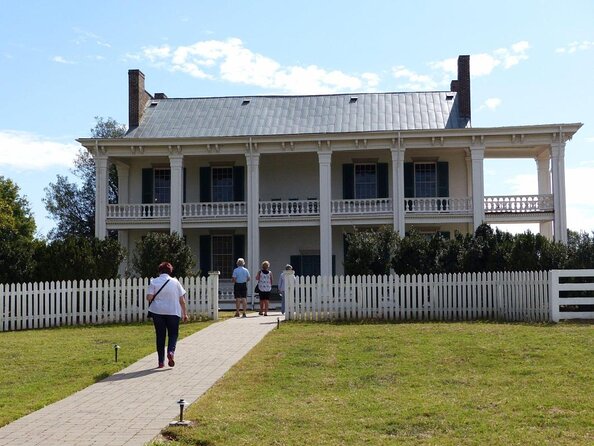
- Battle scars remain visible: The Carter House and Lotz House preserve bullet and cannonball damage, along with bloodstains described inside the Lotz House.
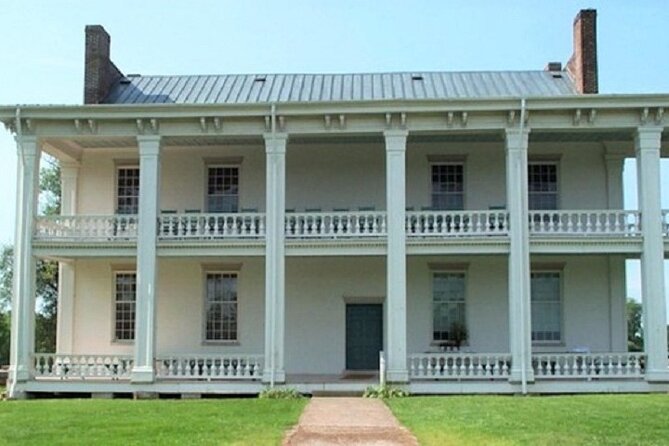
- Three homes tell different parts of the story: The Carter House was at the center of the Union position, Lotz House became a hospital, and Carnton served as a Confederate field hospital.
- The battle had a terrible human cost: The fighting lasted about five hours. By the next morning, Franklin faced more than 9,500 casualties.
- You get time in Franklin, too: The independent lunch stop gives you a chance to eat, shop, and see the historic town at your own pace.
- The small group size helps: The shuttle is capped at 24 people, and the tour includes round-trip transportation from Nashville.
- Expect a full day on your feet: Wear comfortable shoes, and bring water. One visitor’s practical tip was that a bottle would have been welcome.
From Nashville to the Battle of Franklin
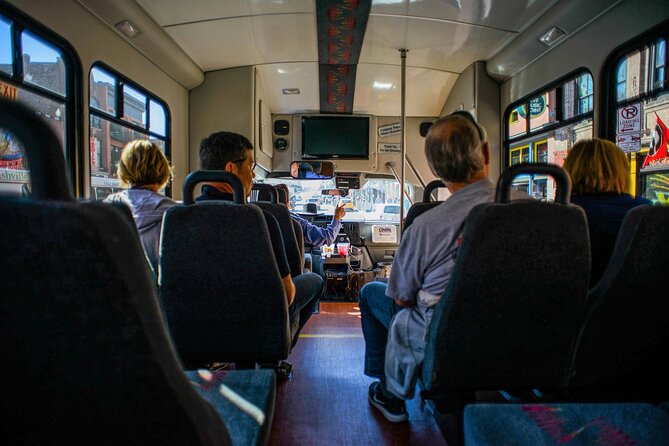
The day starts at 9:00 a.m. at Riverfront Train Station, 108 1st Avenue South, in downtown Nashville. Arrive 15 minutes early, then settle into an air-conditioned shuttle for the ride to Franklin. The tour lasts about seven hours and returns to the starting point.
The drive matters because the subject is not just one house or one battlefield. Your guide can set the scene before you arrive, and drivers such as Roger, Julie, Nick, and Jeff have been praised for sharing local history along the way. The particular driver and guide can vary, so don’t book expecting a specific person.
The group limit of 24 makes this a more personal outing than a large coach tour, though you will still be moving with a group at each site. The main interpretive work happens at the historic homes, where local guides add detail about the buildings, their occupants, and the battle.
The central event is the Battle of Franklin, fought on November 30, 1864. It is often described as the five bloodiest hours of the Civil War. That label is striking, but the sites make the history more than a dramatic statistic: you see how a major battle reached into homes and affected people who lived there.
More history tours in Nashville:
- Belle Meade Guided Mansion Tour with Complimentary Wine Tasting
★ 4.5 · 2,189 reviews - Journey to Jubilee Guided Tour at Belle Meade with Wine Tasting
★ 4.5 · 396 reviews - Nashville Unveiled: The History, Music, and Hacks Tour!
★ 5.0 · 278 reviews
Carter House: fighting at the Union line
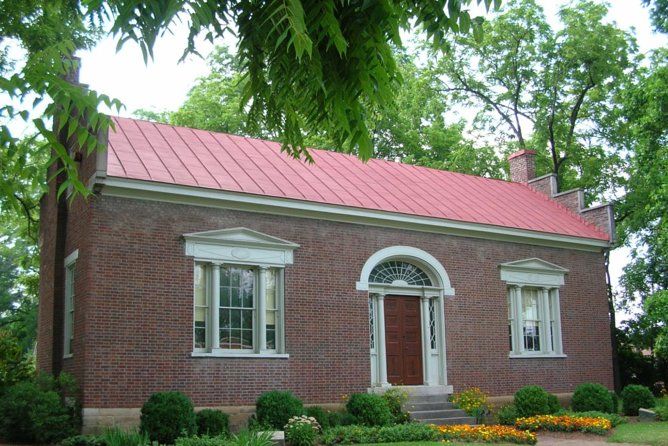
The Carter House stood at the center of the Union position during the battle. Its location makes it a powerful place to learn how the fighting moved through Franklin, and the house and outbuildings still show hundreds of bullet holes.
The visual evidence does much of the work. Rather than treating the battle as a sequence of troop movements alone, you can look at the buildings and consider what it meant for a family’s home to become part of a military position. The guide’s account gives those marks context, helping you understand why they remain significant.
The site has been refurbished, but restoration has not erased the damage. That balance is useful: you can visit a maintained historic home while still seeing physical traces of the battle. If you are especially interested in military tactics, listen for how the guide explains the Union position and the battle’s course. If your interest is more personal, focus on the people who had to live through the fighting.
Lotz House: a home turned into a hospital
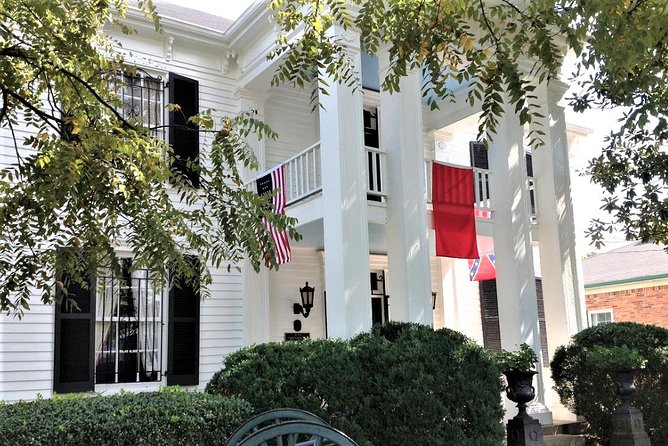
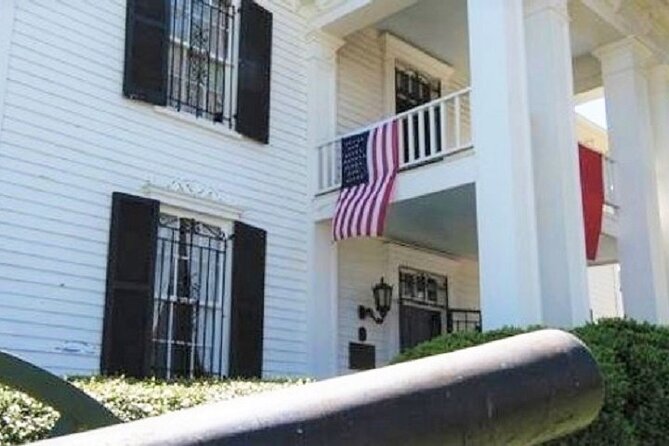
The Lotz House offers another close view of the battle’s effects. After the fighting, it became a makeshift hospital. Inside, cannonball holes and bloodstains on floors and walls bring the aftermath into the rooms where it unfolded.
The building’s damage is stark, but the visit is not only about looking at marks in wood and plaster. A strong guide can connect the house to the family who lived there and explain what happened once the battle ended. Thomas Cartwright has been singled out for detailed stories and anecdotes at Lotz House, though guides may change.
This stop can feel heavy. The physical traces are a reminder that war’s consequences did not stop when the firing did, and the scale of the casualties makes that clear. The tour describes more than 9,500 casualties by the morning after the battle. That number refers to casualties, not simply deaths, and it helps explain why homes in Franklin became emergency care sites.
You may spend a good portion of the day standing and listening inside historic buildings. That is part of the value, but it can also make the tour tiring. Comfortable shoes are a sensible choice, especially if you have trouble standing for long stretches.
A pause in Franklin’s historic center

The tour includes free time in downtown Franklin for lunch, shopping, and a look at other historic sites. Lunch is not included, so budget for your meal separately. The town stop is a welcome change of pace after the intense subject matter at the homes.
You can use the break to find a restaurant, walk around the town square and Main Street, or browse shops. About 75 minutes has been a useful amount of time for some people to eat and stroll, but the break can feel rushed if you want a leisurely meal and a longer look around. Decide what matters most before you arrive: a sit-down lunch, shopping, or a quick walk through town.
This free time is not a guided tour of every Franklin landmark. It is an opportunity to explore on your own, so keep an eye on the time and follow the meeting instructions given by your tour staff. If you want a relaxed meal, choose a place promptly rather than spending much of the break deciding.
More tours in Nashville:
- Nashville Hop On Hop Off Trolley Tour
★ 4.5 · 5,643 reviews - Nashville: Food Tour with 5+ Tastings of Local Delicacies
★ 5.0 · 2,704 reviews - Best of Nashville City Sightseeing Tour on Double Decker Bus
★ 4.5 · 2,601 reviews - Explore the City of Nashville Sightseeing Tour by Golf Cart
★ 5.0 · 2,544 reviews
Carnton: field hospital and cemetery
Carnton is a 48-acre plantation that served as a Confederate field hospital after the battle. Its grounds and house help tell what happened once the wounded were brought in, while the property’s later history shows how the battle continued to shape the community.
A Confederate general ordered the house to be used as a hospital. The mistress of the house later helped make it a memorial to the Confederate soldiers who died. The property is now home to the largest private Confederate cemetery in the United States. That cemetery gives the visit a quieter, more reflective note after the rooms and buildings marked by battle damage.
Carnton’s story also broadens the tour beyond the day of fighting. The battle did not end its effects on the families and town of Franklin. A guided visit here can help connect immediate wartime care with the long work of remembrance and the years that followed.
The three sites complement one another. The Carter House helps explain the Union position, Lotz House shows how a private home became a hospital, and Carnton brings the treatment of the wounded and the later memorial to the foreground. That range is why the tour works better than a quick stop at one battlefield marker.
Guides, group size, and the value of the day
The strongest feature is the human storytelling. The guides at the houses are often described as passionate and well prepared, and their accounts bring the families and buildings to life. Drivers have also added historical context on the ride, making the travel time part of the day rather than dead time.
The tour has included people such as Roger and Julie in driver or guide roles, and Nick and Jeff have also been praised for their contributions. These names are useful examples of the kind of personal guidance you may encounter, not a promise that any one person will lead your departure. At Lotz House, Thomas Cartwright has been noted for sharing detailed stories.
There is a lot of information to absorb. If you like a full historical narrative, that is a plus. If you prefer to take your time with each object and ask questions at length, the schedule may feel busy. One practical approach is to listen for the main story at each site, then use your free time to revisit the themes that interested you most.
At $101.90 per person, the price covers about seven hours, round-trip air-conditioned transportation, admission to all three historic homes, and guided interpretation. You also avoid arranging transport between Nashville and Franklin and coordinating separate admissions. Lunch, drinks, and any shopping are extra.
For a history-focused day trip, that package offers solid value, especially if you want context rather than simply walking through the buildings on your own. The value depends on how much you want guided interpretation. If you already plan to rent a car and prefer to move at your own pace, independent visits may suit you better. If you want the transport and stories handled for you, the bundled day is convenient.
Who should book, and how to prepare
This tour is best for Civil War history enthusiasts and anyone curious about how a battle affected ordinary homes and families. It also works for people who want to see Franklin’s historic sites without driving from Nashville. The house visits are compelling even if you are not an expert, but the day is centered on history rather than entertainment.
Families can take part, and most people can participate. Still, expect standing and walking at several sites. If you need an ADA-compliant vehicle, these are available for most tours with 48 hours’ notice; contact the dispatch office after booking to confirm availability.
Bring water, wear comfortable shoes, and plan lunch spending separately. The tour is offered in English, uses a mobile ticket, and has a maximum group size of 24. Free cancellation is available until 24 hours before the start time; poor weather or too few bookings can lead to a rescheduled tour or a refund.
Book this tour if you want a guided, connected account of the Battle of Franklin and its toll on local homes and families. Skip it if you would rather spend a full day exploring Franklin independently, or if a tightly scheduled day with substantial standing does not suit you. For most history-minded visitors staying in Nashville, the combination of three distinct sites, town time, and included transport makes this a worthwhile way to understand why Franklin matters.
FAQ
Where does the tour begin?
Meet at Riverfront Train Station, 108 1st Avenue South, Nashville. The start time is 9:00 a.m., and you should arrive 15 minutes early.
How long is the tour?
The tour lasts about seven hours and ends back at the meeting point in Nashville.
Which historic sites are included?
Admission is included to the Carter House, Lotz House, and Carnton Plantation.
Is lunch included?
No. You have free time in downtown Franklin to eat, shop, or see historic sites, but lunch is at your own expense.
How many people can join the tour?
The tour has a maximum of 24 people.
Is the tour accessible by ADA-compliant vehicle?
ADA-compliant vehicles are available for most tours if you give 48 hours’ notice. Contact the dispatch office after scheduling to confirm availability.
What is the cancellation policy?
You can cancel for a full refund up to 24 hours before the start time. Cancellations or changes made less than 24 hours before the tour are not accepted.
Just added in Nashville
- Night-Time Hayride Sightseeing Tractor Tour of Nashville★ 4.5 · 9 reviews
- Private Open Air Party Bus with DJ & Bartender 21+★ 5.0 · 27 reviews
- Nashville Jubilee: Country Music & Comedy Show★ 4.0 · 3 reviews
- Nashville Live Music Bar Crawl with Local Venues & Drink Specials★ 4.5 · 13 reviews
- Nashville Photoshoot Experience in the Gulch★ 4.5 · 7 reviews
- Nashville Ghost Hunt: Music City’s Paranormal Investigation Tour★ 4.0 · 20 reviews
- East Nashville Neighborhood E-bike Tour★ 5.0 · 14 reviews
- Nashville Haunted Hearse Ghost Tour 1 Hour Shared★ 4.0 · 50 reviews
Nashville History Tours, compared.
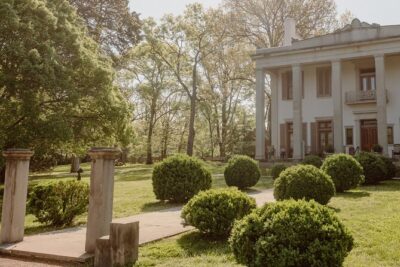
Belle Meade Guided Mansion Tour with Complimentary Wine Tasting
Read our review →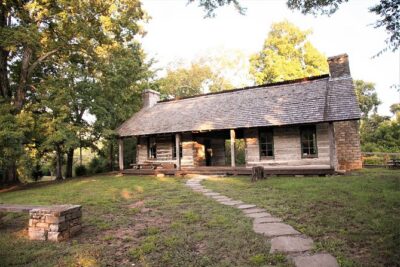
Journey to Jubilee Guided Tour at Belle Meade with Wine Tasting
Read our review →
Nashville Unveiled: The History, Music, and Hacks Tour!
Read our review →

Civil War History Tour – The Battle of Franklin, Tennessee
Read our review →
Legends of Music City Guided Historical Walking Tour
Read our review →
Browse the lists this tour appears in