
Reviewed · NASHVILLE WINE TOURS
Journey to Jubilee Guided Tour at Belle Meade with Wine Tasting
Belle Meade’s Journey to Jubilee puts the stories of enslaved people at the center of a historic plantation visit. Rather than focusing on the mansion’s grand rooms, this discussion-based walking tour explores the lives of people whose labor sustained the property, from enslavement through emancipation and contract work.
I like two things in particular: the tour uses primary-source research to follow a history spanning nearly a century, and the included wine tasting and time to explore the 30-acre grounds make the visit feel less rushed. One consideration: this ticket does not include a guided mansion tour, and the history is discussed more than it is shown through original structures.
What to know before you book
- The people, not the mansion, are the focus: Hear about enslaved and formerly enslaved Black Americans and their role in Belle Meade’s history.
- Expect a conversation, not just a lecture: Guides invite questions and discussion. Past guides have included Anastasia, Ben, Melissa, Tom, Taryn, and Jeff, though you cannot request a particular guide.
- Some historic structures are not original: Interpretive buildings and replicas help tell the story, but the tour relies heavily on explanation and discussion.
- Wine tasting is included: A complimentary sample at the on-site winery follows the guided walk and supports historic preservation.
- You can stay and explore: The ticket includes access to the grounds after the tour, plus the outdoor game court and on-site restaurant.
- Plan for walking and stairs: The tour takes place outdoors, has a maximum group size of 20, and is limited to ages 12 and up.
Belle Meade’s history, told from a different angle
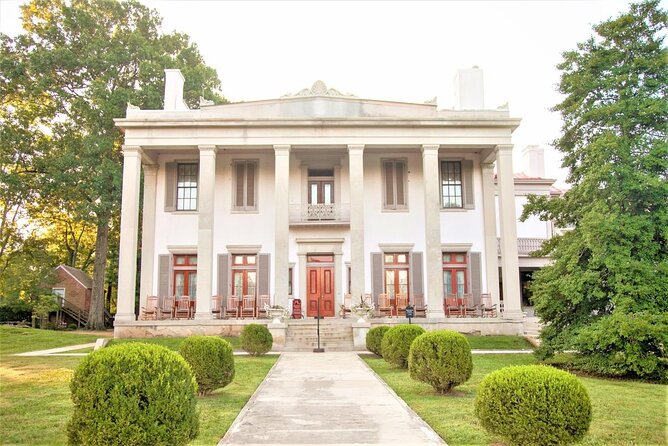
Belle Meade is often associated with its mansion and the well-known family connected to the estate. Journey to Jubilee asks you to look beyond the house and consider the people whose work made the property function. The tour follows Black Americans through several stages of local history: enslavement, emancipation, and the contract labor that followed.
That shift in focus matters. The tour is not simply a walk past old buildings with dates attached. Its central question is how to recognize the lives and labor of people whose stories may be incompletely recorded. Guides draw on primary-source research and discuss what is known, what can be inferred, and where the historical record leaves gaps.
The subject is difficult, and the site sets a minimum age of 12 because of the intensity of the material and its interpretive approach. I would not treat it as a light add-on to a winery visit. It is a history lesson intended to prompt reflection, and the discussion may challenge assumptions about slavery and its effects.
The strongest tours appear to depend on the guide’s ability to handle that material with care and clarity. Guides named by past participants include Anastasia, Ben, Melissa, Tom, Taryn, and Jeff. The individual guide is not guaranteed, so book for the subject and format rather than expecting a particular person.
More wine tours in Nashville:
- Belle Meade Guided Mansion Tour with Complimentary Wine Tasting
★ 4.5 · 2,189 reviews - Nashville Shopping Tour with Wine, Cocktails and Snacks
★ 4.0 · 29 reviews - Arrington Vineyard Winery Round-Trip Shuttle Transportation from Nashville
★ 4.0 · 23 reviews
Walking the grounds and outbuildings
The guided portion takes place outdoors across Belle Meade’s grounds, with stops at outbuildings and other areas connected to the property’s past. The tour is listed as one hour, though the site description also gives a duration of an hour and a half. Allow extra time for the wine sample and for exploring afterward rather than scheduling a tight connection.
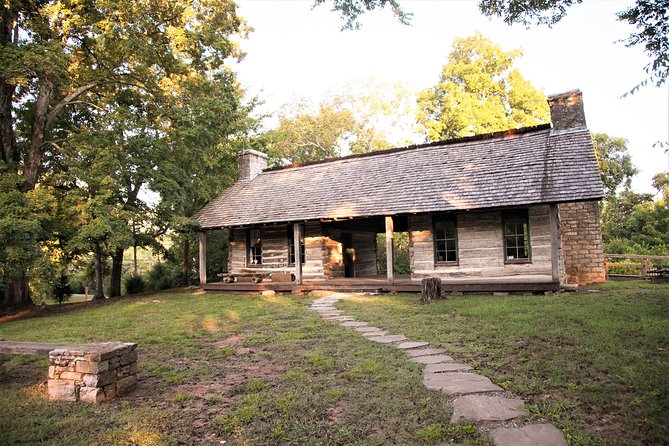
This is primarily a guided discussion, not a sequence of original interiors. Some structures used to explain the conditions of enslaved life are replicas rather than buildings that stood on the property during that period. That can make the visit less visually immediate than a tour centered on preserved rooms, but it also gives the guide room to explain the historical context and the limits of what can be confirmed.
That balance is worth keeping in mind. Some visitors may want more physical evidence or a greater number of preserved spaces to walk through. If you expect a detailed visual reconstruction at every stop, you may find the tour’s discussion-heavy style less satisfying. If you want a guide to help you think through what the sources do and do not tell us, the format has more to offer.
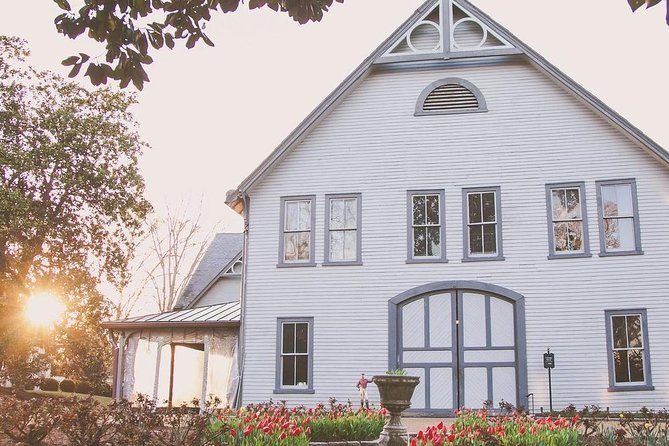
The grounds themselves are part of the experience. Your ticket includes access to about 30 acres, which you can explore before or after the guided walk. I would save time afterward: the self-guided visit lets you look around at your own pace instead of trying to take in every detail while keeping up with the group.
The questions are part of the tour
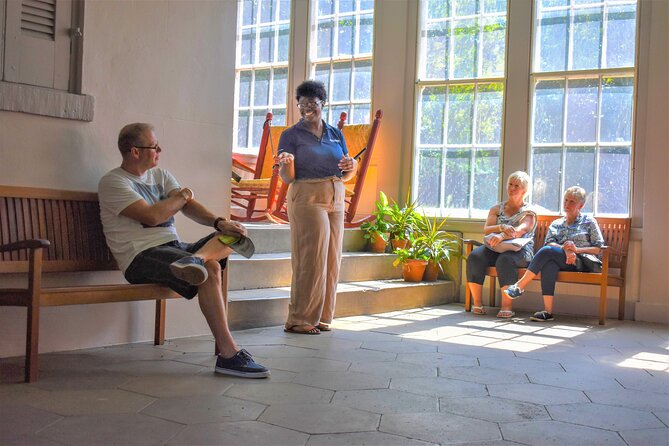
This is not designed as a silent, one-way presentation. Guides may ask the group to consider a question or respond to a historical situation, then use the discussion to introduce the documented evidence. Past guide styles have included open questions and prompts that ask you to reconsider how you understand the period.
That approach can make a painful subject more engaging, especially when the guide is well prepared and keeps the conversation grounded in evidence. It also means the experience can vary. Some people may prefer a firm stream of facts; others will appreciate being asked to listen, think, and contribute. If you prefer not to speak in a group, you can still follow along without making yourself the center of the discussion.
There is a real limit to what a guide can say when records are missing. The historical record does not preserve every person’s name, choice, or experience, and that absence can be frustrating. A careful tour should distinguish between documented facts and educated interpretation rather than filling the gaps with certainty. If you hear a point that raises questions, use the chance to ask the guide what evidence supports it.
The guide makes a major difference. Several named guides have been praised for being engaging, compassionate, and able to bring historical context to life. At least one account describes a less prepared presentation, with frequent pauses to consult notes and limited answers. That variation is worth acknowledging: the tour’s structure has promise, but the quality of the hour depends in part on how confidently the guide handles the material.
Wine, lunch, and a slower visit
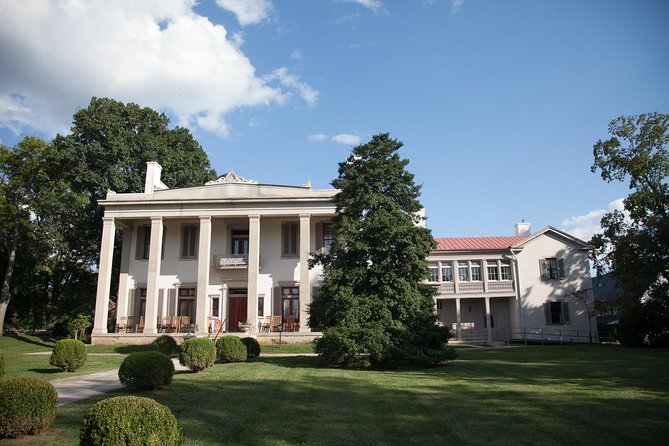
The complimentary wine sampling follows the guided experience at Belle Meade Winery. It is a pleasant change of pace after a serious hour, and the site connects the tasting with fundraising for historic preservation. The sample is part of the ticket, not a substitute for the history tour.
The ticket also gives you access to the on-site restaurant and outdoor game court. These extras can help turn a one-hour booking into a relaxed half-day visit, particularly if you want time to eat and explore the grounds. Food is not included in the tour price, and the mansion visit is not included either.
If you want to see the mansion’s interiors, plan to buy a separate guided mansion tour. This distinction catches some people off guard, especially if they assume a historic-site ticket covers every part of the property. Journey to Jubilee is a specific tour about enslavement and Black history at Belle Meade, not a general mansion admission ticket.
More history tours in Nashville:
- Civil War Tour with Lotz House, Carter House & Carnton Admission from Nashville
★ 5.0 · 522 reviews - Nashville Unveiled: The History, Music, and Hacks Tour!
★ 5.0 · 278 reviews - Nashville’s Historic Electric Bike Tour
★ 5.0 · 189 reviews - Nashville: Immersive E-Bike Tour of Music City’s History
★ 4.8 · 99 reviews
Is $33 a fair price?
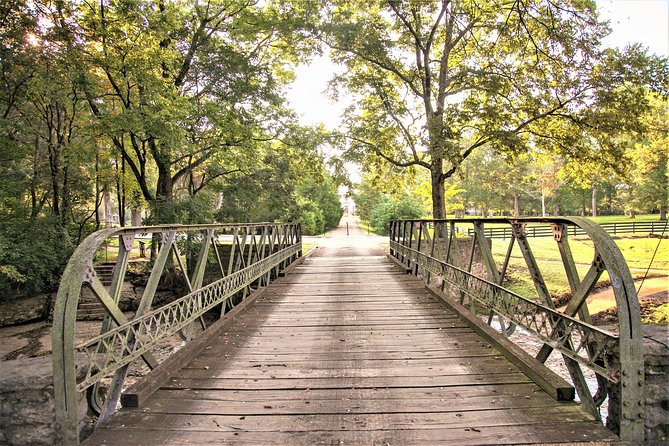
At $33 per person, you are paying for a one-hour guided history tour, a professional guide, access to the grounds, and a complimentary wine tasting. Free on-site parking is included, and the group is capped at 20 people. For a guided, focused history experience with time to remain on the property, that is a reasonable package.
The value is strongest if you want the subject matter and appreciate guided discussion. The tour’s value is less clear if you mainly want to see the mansion or expect a large collection of original buildings and artifacts. In that case, compare the separate mansion option before booking, and be clear about which parts of Belle Meade you want to visit.
The tasting adds a modest but enjoyable extra, while the grounds give you room to extend the visit without paying for another activity. I would not book this solely for the wine or the scenery. The main reason to go is the guided account of enslaved and formerly enslaved people’s lives, with the tasting as a thoughtful finish.
Timing, transport, and comfort
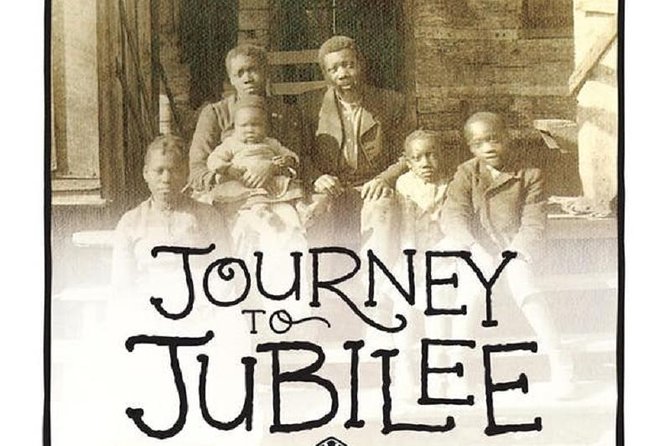
Arrive 20 minutes before your scheduled tour and redeem your voucher at the Visitor Services desk. Staff will direct you to the group. Free parking is available on site, and the location is near public transportation, though the supplied details do not specify routes or travel times from downtown Nashville.
The walk includes several sets of stairs and requires standing or walking for periods of 30 minutes or more. There are no details about seating at stops, so if standing for that long is difficult, consider whether this format will work for you. The tour is outdoors and depends on suitable weather. If poor weather cancels it, you can choose another date or receive a refund.
The group maximum of 20 is small enough to make questions possible, though the experience remains a walking tour rather than a private conversation. Service animals are allowed. The minimum age is 12, so this is best suited to older children and adults who are ready for a serious discussion.
Should you book Journey to Jubilee?
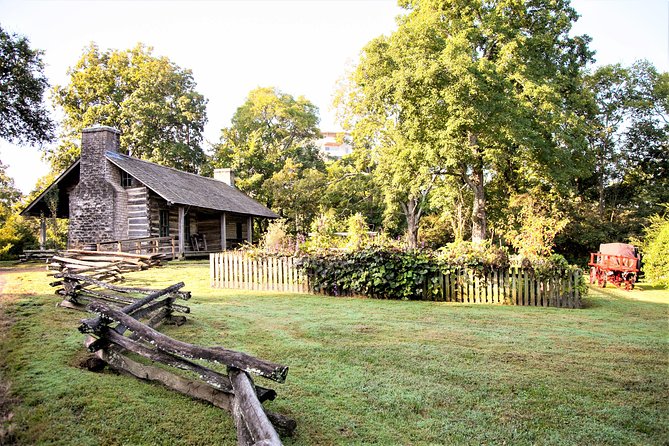
Book it if you want to understand Belle Meade through the lives of the enslaved and formerly enslaved people who worked there, and if you value a guide-led discussion more than a tour of lavish rooms. Leave time for the grounds and the included tasting, and consider adding the separate mansion tour if seeing the house is important to you.
I would skip it if you want a primarily visual tour, need a seated experience, or are booking only for the mansion. For a thoughtful introduction to a difficult part of Nashville’s history, though, Journey to Jubilee offers a useful perspective, provided you arrive ready to listen, question, and accept that some parts of the story remain undocumented.
FAQ
How long does the Journey to Jubilee tour take?
The guided tour is listed as about one hour. The site description also gives a duration of an hour and a half, so allow extra time for the wine tasting and independent exploration.
What is included in the $33 ticket?
The ticket includes the guided Journey to Jubilee walking tour, a professional guide, a complimentary wine tasting, access to the grounds after the tour, the outdoor game court, the on-site restaurant, and free on-site parking.
Is the mansion tour included?
No. A guided mansion tour is not included with this ticket and is available to purchase separately.
What is the tour about?
It explores the history of enslavement at Belle Meade and the lives of Black Americans who were enslaved, formerly enslaved, and contract laborers after emancipation.
Is the wine tasting included?
Yes. A complimentary wine sampling at the on-site Belle Meade Winery is included after the tour.
Can I explore Belle Meade after the guided walk?
Yes. The ticket includes access to the 30 acres of grounds, which you can explore at your leisure before or after the guided tour.
What is the minimum age?
The tour is limited to people aged 12 and older because of the intensity of the subject matter and the interpretive approach.
How much walking is involved?
The tour takes place outside, involves walking and several sets of stairs, and is not recommended for people unable to stand or walk for periods of 30 minutes or more.
Where does the tour start and end?
It starts at 5025 Harding Pike, Nashville, Tennessee, and ends back at the same meeting point.
What happens if bad weather cancels the tour?
If poor weather leads to cancellation, you will be offered another date or a full refund.
Just added in Nashville
- Night-Time Hayride Sightseeing Tractor Tour of Nashville★ 4.5 · 9 reviews
- Private Open Air Party Bus with DJ & Bartender 21+★ 5.0 · 27 reviews
- Nashville Jubilee: Country Music & Comedy Show★ 4.0 · 3 reviews
- Nashville Live Music Bar Crawl with Local Venues & Drink Specials★ 4.5 · 13 reviews
- Nashville Photoshoot Experience in the Gulch★ 4.5 · 7 reviews
- Nashville Ghost Hunt: Music City’s Paranormal Investigation Tour★ 4.0 · 20 reviews
- East Nashville Neighborhood E-bike Tour★ 5.0 · 14 reviews
- Nashville Haunted Hearse Ghost Tour 1 Hour Shared★ 4.0 · 50 reviews
Nashville Wine Tours, compared.
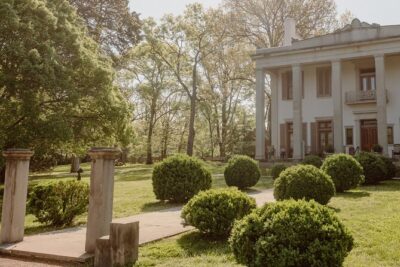
Belle Meade Guided Mansion Tour with Complimentary Wine Tasting
Read our review →

Whiskey or Wine and Chocolate Pairing Experience
Read our review →
Arrington Wine and Franklin Dine Private Tour from Nashville
Read our review →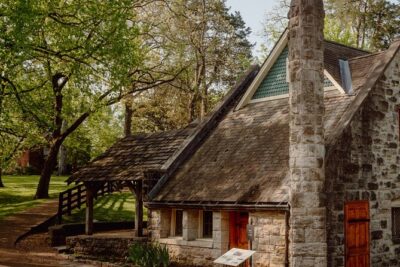
Battle at Belle Meade Civil War Tour & Complimentary Wine Tasting
Read our review →Browse the lists this tour appears in