
Reviewed · NASHVILLE HISTORY TOURS
Nashville African American History & Civil Rights Walking Tour
Nashville’s music story is bigger than its famous stages. This two-hour walk connects the sounds of Lower Broadway with the African American history and civil rights struggles that helped shape the city. You’ll hear about landmarks, local heroes, and the change from a segregated farming town to a major destination.
I like two things here: the local perspective, which can give familiar downtown sights a deeper story, and the mix of music, civic history, and street art. The quick stop at the National Museum of African American Music adds a clear link between Nashville’s cultural life and Black musical traditions.
The main consideration is the format. Two hours is enough for an introduction, not an in-depth museum visit, and the formal route names five stops while the tour description also mentions places such as the Civil Rights Museum and Assembly Food Hall. If a specific site matters to you, check how it fits into the walk before booking.
What to Know Before You Go
- Lower Broadway brings the music setting into focus: The tour visits a stretch known for its live music and more than 30 bars.
- The National Museum of African American Music gets a quick stop: Expect an introduction, not a full museum visit.
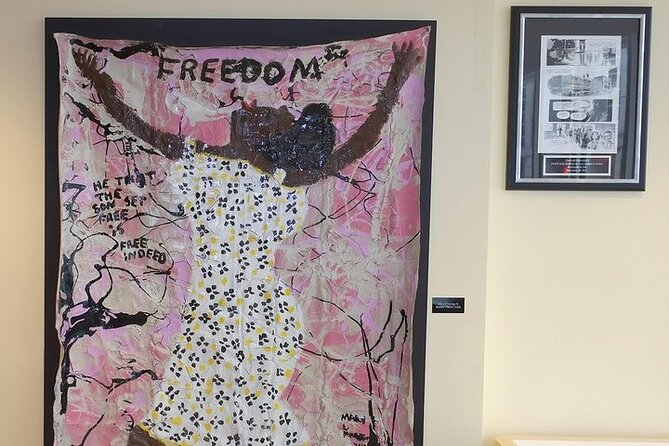
- Civil rights history is part of the downtown walk: The tour includes stories of local heroes and Nashville’s struggle with segregation.
- Chiquita is a named guide to look for: One guest specifically praised her passion and command of the subject.
- The group is capped at 30: That is a useful limit for a walk, though a full group can still affect how easily everyone hears the guide.
- It starts and ends at the Nashville Visitor Center: Plan to arrive at 501 Broadway and be ready to walk for about two hours.
A Downtown Walk With More Than Music
This tour makes sense if you want to understand Nashville through the people and events behind its public image. Downtown is often introduced through its music venues, but the walk aims to connect that scene with Black history, civil rights, civic institutions, food, and street art. The result is a broader introduction than a simple stroll past the bars.
The tour lasts about two hours and is led by a live guide in English. That matters: stories about segregation, local activism, and the people who shaped the city can be hard to take in from a plaque alone. A guide can link a building or street corner to its place in a larger story, and answer questions along the way.
Chiquita is the guide named in the available feedback. She was praised for her passion and strong knowledge of the subject. That kind of energy suits a tour built around history and interpretation, though guides can vary. The group limit is 30, so it is worth staying near the guide if the sidewalk is busy or the group spreads out.
More history tours in Nashville:
- Belle Meade Guided Mansion Tour with Complimentary Wine Tasting
★ 4.5 · 2,189 reviews - Civil War Tour with Lotz House, Carter House & Carnton Admission from Nashville
★ 5.0 · 522 reviews - Journey to Jubilee Guided Tour at Belle Meade with Wine Tasting
★ 4.5 · 396 reviews
Starting at the Nashville Visitor Center
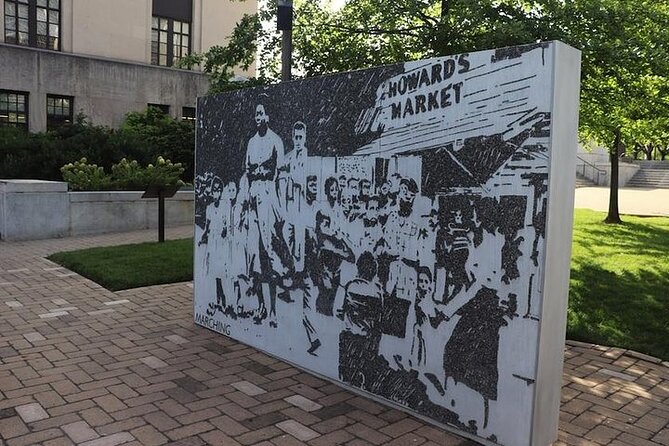
The walk begins at the Nashville Visitor Center, at 501 Broadway, and returns there at the end. This is a practical central meeting point if you are already exploring downtown. There is no pickup or drop-off service, so you will need to make your own way to the start and plan any onward travel yourself.
Beginning at the visitor center also gives the guide a chance to set the scene before the route moves into the surrounding district. The tour’s larger story is how Nashville changed from a segregated farming town into a major American city. That shift is a useful frame for the stops ahead: the city’s growth, public identity, and culture did not develop separately from its racial history.
The walking format keeps the experience grounded in place. You can see how major cultural attractions sit alongside civic buildings and commercial streets, rather than treating each topic as a separate chapter. The trade-off is that two hours moves quickly. You will get an introduction and a guided point of view, not the time to examine every site at length.
Lower Broadway: Live Music and the City’s Public Face
Lower Broadway is the most obvious meeting of Nashville’s tourist image and its wider cultural story. The area has more than 30 bars and is known for live music. On this tour, it is more than a row of venues: it provides a chance to consider how music has shaped the city’s identity and how Black musical traditions have influenced American culture.
The area can be busy, and its bars are not the same thing as a quiet historic district. You may need to listen closely as the group moves through a lively stretch of downtown. That energy is part of the setting, but it can make a guide’s voice harder to hear at times. Staying close to the guide is sensible, especially if the group is near its 30-person limit.
The tour description also refers to a Hall of Fame Museum, but the formal five-stop route does not name it. The exact place and amount of time there are not specified, so do not build your plans around a museum visit unless you confirm the details before booking.
A Brief Stop at the National Museum of African American Music
The National Museum of African American Music is one of the tour’s clearest connections between Nashville and the music that has shaped the country. The stop is described as quick. You should think of it as an introduction to the museum and its subject, not as a substitute for going inside and spending time with the exhibits.
That short pause still adds value. It links the musical life of Broadway to a broader account of African American musical achievement, giving the city’s sound a context that a bar-focused visit can miss. If this museum is a priority for you, consider allowing separate time to visit it properly.
The tour does not specify whether admission is included, or whether the quick stop means entering the museum. Treat those details as unconfirmed and ask before booking if they affect your decision. The supplied information names a stop, but does not promise a full museum visit or explain ticket arrangements.
More walking tours in Nashville:
- Downtown Nashville Guided Sightseeing Walking Tour
★ 5.0 · 1,304 reviews - Walking Food & Drink Tour of Downtown Nashville
★ 5.0 · 1,140 reviews - Delicious Donuts of Nashville: A Sweet City Walking Adventure
★ 5.0 · 979 reviews - The Ghosts of Nashville Night-Time Walking Tour
★ 4.5 · 799 reviews
Public Institutions and Civil Rights Stories
The Nashville Public Library and Davidson County Courthouse are listed as stops on the formal route. Both are civic landmarks, which makes them useful settings for discussing how a city’s institutions, public life, and history intersect. The exact stories covered at each building are not spelled out, so the guide’s interpretation will shape how much detail you hear.
The tour also includes the story of local civil rights heroes and says you will stop by the Civil Rights Museum. That is an important part of its appeal, especially if you want to understand Nashville beyond its music reputation. There is, however, a mismatch between that description and the formal list of five stops, which does not include the Civil Rights Museum by name. Confirm whether the museum is an actual stop, a nearby sight, or a subject discussed along the route.
This is a good example of why a guided walk can be useful. A courthouse or library may look like an ordinary building when you pass it on your own. A guide can connect places to the wider civil rights story and explain why local people and institutions matter. Still, if you want a detailed museum experience, reserve separate time rather than assuming the walk includes one.
Street Art, Food, and the City’s Everyday Culture
The tour description includes photo opportunities in front of colorful murals and street art. These stops add a visual break to a walk focused on history, while showing how Nashville presents itself through public art as well as music and architecture. The specific murals are not named, so their locations and themes may depend on the route.
Assembly Food Hall is another place mentioned in the tour description. You can expect to hear background about it as a place for local food, but there is no indication that a meal or tasting is included. If you want to eat there, plan that as your own stop before or after the walk.
These details broaden the experience beyond formal history. Food halls and murals are part of how a city feels in the present, while civil rights stories explain some of the forces that shaped it. The tour’s best use is as a guided introduction that joins those threads, rather than a checklist of attractions with long visits at each one.
Is Two Hours Enough?
Two hours is a sensible length for a downtown orientation walk. It can introduce several themes without taking up half a day, and it leaves you free to return to the museum or landmarks that interest you most. It is also a fairly brisk format if you want time for extended discussion at every stop.
The route is on foot, and participants should have a moderate level of physical fitness. The details do not give a distance, walking pace, or information about terrain, so ask the operator if those factors are important to you. Service animals are allowed, and the tour is near public transportation.
Weather matters. If poor weather forces a cancellation, you will be offered another date or a full refund. You can also cancel for a full refund up to 24 hours before the start time. Changes made less than 24 hours before the experience are not accepted, and cancellations inside that window are not refundable.
Who Will Get the Most From This Walk?
I’d choose this tour if you want a guided introduction to Nashville that puts African American history and civil rights alongside music and downtown sightseeing. It suits first-time visitors who want context before exploring on their own, as well as anyone who would rather hear local stories than simply follow a map between attractions.
It may be less satisfying if your main goal is to spend substantial time inside museums, hear a detailed account of every listed landmark, or avoid busy streets. The National Museum of African American Music stop is quick, and the tour description and formal stop list do not fully agree about some sites. If a particular museum or attraction is your priority, confirm the plan directly.
There is no price information here, so I can’t judge the tour’s cost against alternatives. Its value will depend on what you want from a guide: a two-hour overview with a human voice and local context, rather than admission to several attractions or a full-day historical program. Gratuities are optional and not included.
Should You Book It?
Book this walk if you want to connect Nashville’s music scene with its African American history and civil rights story, and you are comfortable with a brisk, outdoor introduction. Chiquita’s praised enthusiasm is a promising sign, and the group limit of 30 gives the walk a defined size.
Before booking, ask whether the Civil Rights Museum and Hall of Fame Museum are actual stops, and whether the National Museum of African American Music visit includes entry. If you are happy with an overview and plan to explore key museums separately, this tour offers a practical way to start seeing downtown through more than its stages and neon.
FAQ
How long is the Nashville African American History & Civil Rights Walking Tour?
The tour lasts approximately two hours.
Where does the tour start and end?
It starts at the Nashville Visitor Center, 501 Broadway, Nashville, TN 37203, and ends back at the same meeting point.
What language is the tour offered in?
The tour is offered in English.
What is included in the tour?
A live guide is included. Gratuities and pickup and drop-off are not included.
How many people can join the tour?
The maximum group size is 30 people.
Does the tour visit the National Museum of African American Music?
The tour includes a quick stop at the National Museum of African American Music. The information provided does not specify whether museum admission is included.
Is the tour suitable for someone with limited mobility?
Participants should have a moderate level of physical fitness. No further accessibility details are provided, so check with the operator if you have specific mobility needs.
What happens if bad weather cancels the tour?
If the tour is canceled because of poor weather, you will be offered a different date or a full refund.
Just added in Nashville
- Night-Time Hayride Sightseeing Tractor Tour of Nashville★ 4.5 · 9 reviews
- Private Open Air Party Bus with DJ & Bartender 21+★ 5.0 · 27 reviews
- Nashville Jubilee: Country Music & Comedy Show★ 4.0 · 3 reviews
- Nashville Photoshoot Experience in the Gulch★ 4.5 · 7 reviews
- Nashville Live Music Bar Crawl with Local Venues & Drink Specials★ 4.5 · 13 reviews
- Nashville Ghost Hunt: Music City’s Paranormal Investigation Tour★ 4.0 · 20 reviews
- East Nashville Neighborhood E-bike Tour★ 5.0 · 14 reviews
- Nashville Haunted Hearse Ghost Tour 1 Hour Shared★ 4.0 · 50 reviews
Nashville History Tours, compared.
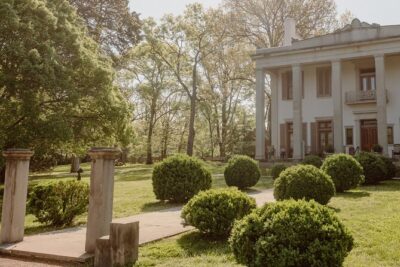
Belle Meade Guided Mansion Tour with Complimentary Wine Tasting
Read our review →
Civil War Tour with Lotz House, Carter House & Carnton Admission from Nashville
Read our review →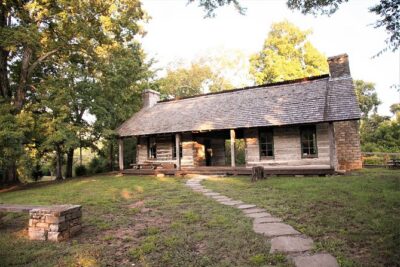
Journey to Jubilee Guided Tour at Belle Meade with Wine Tasting
Read our review →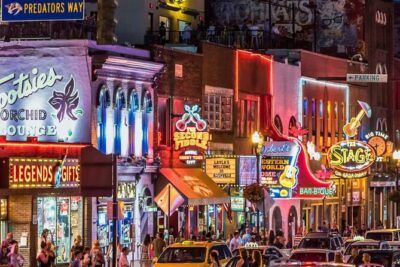
Nashville Unveiled: The History, Music, and Hacks Tour!
Read our review →


Civil War History Tour – The Battle of Franklin, Tennessee
Read our review →
Legends of Music City Guided Historical Walking Tour
Read our review →Browse the lists this tour appears in